Best Mom Ever Since 2009: A Designer's Field Test
As someone who spends hours staring at stitch maps and thread charts, I approach every new machine embroidery design with a mix of optimism and skepticism. When I first pulled up the Best Mom Ever Since 2009 file, my immediate reaction was one of quiet appreciation for its simplicity. In the world of Crafts and Graphics, we often get lost in overly complex motifs that look great on a screen but turn into a bird's nest of thread on fabric. This design, however, speaks a different language. It relies on clean typography and a straightforward layout, which tells me it is built for longevity rather than just a fleeting trend.
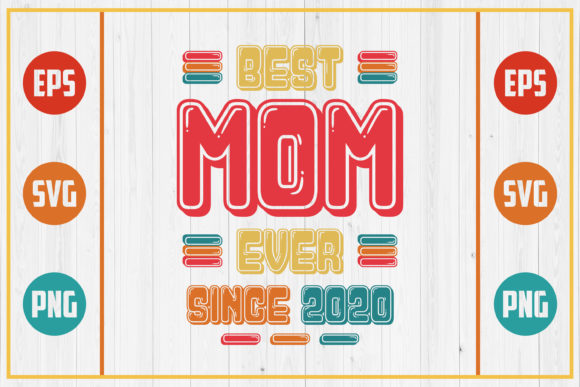
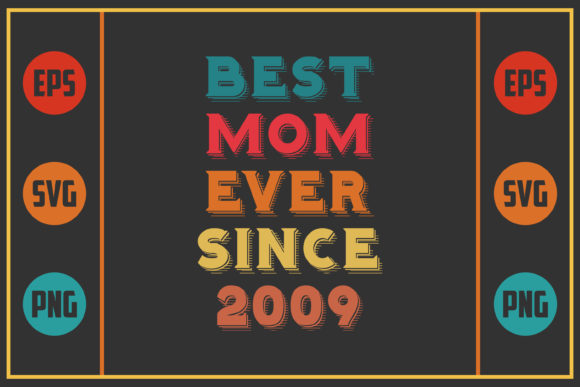
The mood this piece creates is nostalgic yet modern. The phrase "Since 2009" anchors the design in a specific timeline, making it inherently personal. For a designer, this is gold. It transforms a generic "Mom" shirt into a custom narrative. Visually, the layout feels balanced. The text likely flows in a way that respects the natural grain of the fabric, avoiding awkward gaps that can happen with curved text. Before even threading the needle, I could see this working beautifully on a structured tote bag or a cozy sweatshirt, where the flat surface allows the lettering to breathe.
Putting the Design to Work in Real Scenarios
To truly evaluate an embroidery file, you have to imagine it in the wild. I recently had a request for a set of matching family shirts for a mother's birthday, and Best Mom Ever Since 2009 would have been the perfect centerpiece. Imagine stitching this onto a heather grey crewneck sweatshirt. The contrast of white or cream thread against the grey fabric would pop without being aggressive. Because the design is text-heavy, it performs exceptionally well on custom apparel where the message is the hero.
Beyond apparel, this design shines in the realm of home goods. Picture a canvas tote bag design for a grocery run or a library trip. The durability of the text-based embroidery holds up better than large fill areas that might snag on rough surfaces. For an Etsy seller or small shop owner, this versatility is crucial. You aren't limited to one product type. You could easily adapt this for a pillow cover in a nursery, commemorating the year the child was born, or even a kitchen towel for a holiday gift. The scalability of the vector source file means you can shrink it for a pocket detail on a denim jacket or expand it for the back of a work apron.
The visual appeal here lies in its clarity. In commercial embroidery, legibility is everything. If a customer can't read it instantly from three feet away, the design has failed. This piece avoids that pitfall. The spacing between the characters suggests a thoughtful approach to kerning, ensuring that even after the threads settle and the fabric relaxes, the year "2009" remains distinct. This level of professionalism builds customer trust. When a buyer sees crisp, readable text, they perceive higher value in the handmade product.
Navigating Fabric Textures and Hoop Limitations
However, no design is without its challenges, and a responsible reviewer must point out where caution is needed. While Best Mom Ever Since 2009 is robust, it demands respect regarding fabric choice. Text-based designs are unforgiving on highly textured fabrics like thick terry cloth or loose-knit sweaters. The tiny bridges between letters can get lost in the pile. For these materials, I would strongly recommend using a cut-away stabilizer to provide a firm foundation, preventing the stitches from sinking into the fabric texture.
Another consideration is the hoop size. If you are working with a smaller machine or attempting to place this on a curved surface like a cap, you need to verify the dimensions before committing. Caps are tricky; the curvature can distort straight lines of text, making "2009" look like it's sliding off the side. For hats, I would suggest testing a smaller version first or sticking to flat panels. Similarly, on stretchy fabrics like jersey knits, the stitch density becomes critical. If the design is too dense, it will pucker the fabric over time. If it is too light, the background fabric might show through, ruining the solid look of the letters.
Dark fabrics present another variable. If you are stitching this on a navy blue or black garment, you must ensure your thread colors have enough contrast. A dark red on black might look sophisticated in a mockup but disappear in real life. Always test your thread colors on a scrap piece of the actual fabric you intend to use. This simple step saves hours of frustration and ensures the final product looks as good as the digital preview.
Commercial Viability and Brand Consistency
For those running a craft business, consistency is key to branding. This design offers a reliable asset that can be reused across different seasons. It works for Mother's Day, birthdays, or even just everyday wear. Because it references a specific year, it encourages repeat purchases; a mom with kids born in different years might want multiple variations, or grandparents might want one for each grandchild's birth year. This potential for customization drives buyer engagement and increases the average order value for online shops.
When creating printable mockups for your online listings, this design photographs well. The clean lines translate effectively into digital images, helping customers visualize the finished item. However, remember that what you see on the screen is a digital embroidery file representation. The actual stitched result will have texture and dimension. Be honest in your product photos. Show close-ups of the stitching so customers understand they are buying a physical, textured item, not a flat print.
Final Designer Notes and Best Practices
Before you launch this into production, there are a few housekeeping items to address. First, always stitch out a test sample on scrap fabric. This allows you to check the registration of the letters and ensure there are no thread breaks or jumps that could compromise the look. Pay attention to the corners of the letters; sharp angles in text can sometimes pull if the tension isn't perfect.
Regarding the file format, the product description notes that you receive a .zip file containing an SVG file suitable for Cricut, Silhouette, Adobe Suite, Inkscape, and Corel. It is vital to understand that an SVG is primarily a vector graphic format used for cutting machines and graphic design software. If you are using a dedicated embroidery machine (like Brother, Janome, or Bernina), you will likely need to convert this SVG into a specific embroidery format (such as .PES, .DST, or .JEF) using digitizing software, or ensure your machine can import SVGs directly for stitching. Do not assume the SVG is ready-to-stitch for all industrial machines without verification.
Finally, review the licensing terms carefully. Since this is a digital download, confirm whether the license allows for unlimited commercial use of the finished product or if there are restrictions on the number of items you can sell. Protecting your business means respecting intellectual property. Once you have cleared those hurdles, Best Mom Ever Since 2009 stands out as a versatile, emotionally resonant addition to your library. It bridges the gap between sentimental value and professional execution, making it a smart choice for anyone looking to create meaningful, high-quality embroidered goods.