Tie Dye Sunflower Mom Sublimation: A Designer's Review
As someone who spends hours hunched over digitizing software and testing stitches on various fabrics, I approach every new embroidery project with a critical eye. When I first encountered the Tie Dye Sunflower Mom Sublimation graphic, my initial reaction was one of cautious optimism. The vibrant, swirling colors and the cheerful sunflower motif immediately evoke a sense of warmth and creativity, perfect for the current trend of bohemian and eclectic styles. However, as a professional reviewer, I know that a pretty picture on a screen does not always translate into a high-quality finished product on fabric. This review dives deep into how this specific Graphics asset performs when moved from the digital realm into the tangible world of Crafts and apparel decoration.
First Impressions and Visual Personality
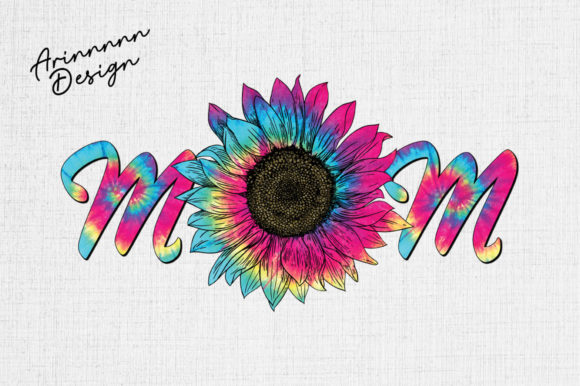
The Tie Dye Sunflower Mom Sublimation design carries a distinct mood. It feels organic, free-spirited, and undeniably joyful. The tie-dye effect adds a layer of texture and depth that a standard flat color fill often lacks, giving the sunflower a dynamic, almost painted appearance. For Etsy sellers and small shop product creators, this visual personality is a goldmine. It speaks directly to customers looking for unique, handmade items that feel personal and artistic rather than mass-produced. The layout is generally balanced, with the sunflower taking center stage, making it an ideal candidate for chest logos on tees or central motifs on tote bags. However, the complexity of the tie-dye gradients means that when translating this into a machine embroidery design, one must be incredibly mindful of thread transitions and stitch types to maintain that fluid look without creating a muddy mess.
Real-World Application: The Custom Tote Bag Scenario
To truly test the viability of this design, I imagined a real-life scenario: preparing a custom order for a local boutique needing a series of eco-friendly tote bags for a summer market. The client wanted something that screamed "summer vibes" but also held up to daily use. Using the Tie Dye Sunflower Mom Sublimation as the base reference, I considered how to adapt it for embroidery. On a canvas tote bag design, the sturdy fabric provides an excellent foundation. The key here would be utilizing a combination of satin stitch for the outlines to define the petals and a dense fill stitch for the center and the tie-dye sections of the petals.
If I were to stitch this directly based on the sublimation file's color palette, I would need to carefully select thread colors that mimic the gradient without using too many stops and starts, which can weaken the fabric. For a handmade product like this, the perceived value increases significantly if the stitching looks intentional and clean. Customers touching the bag in a craft fair setting would appreciate the texture of the threads mimicking the soft blur of the tie-dye effect. It transforms a simple personalized gift into a statement piece of custom apparel or accessory.
Navigating Fabric Textures and Hoop Limitations
While the design is stunning, practical application requires navigating some potential pitfalls. The intricate nature of the tie-dye pattern means there are no large, solid blocks of single-color thread. This presents challenges when working with textured fabrics like Terry cloth towels or thick fleece sweatshirts. On a sweatshirt embroidery project, the pile of the fabric can swallow finer details. If the stitch density is too low, the underlying fabric might peek through, breaking the illusion of the continuous tie-dye flow. Conversely, if the density is too high on a stretchy fabric, you risk puckering.
Furthermore, hoop size is a critical constraint. Since the original file is a PNG with a transparent background, it can be resized, but you must ensure the final dimensions fit within your machine's hoop size. For smaller applications, like an embroidered patch or a pocket logo on a cap, the tiny details of the tie-dye swirls might get lost. In these cases, simplifying the design or increasing the scale is necessary. Curved surfaces, such as caps, add another layer of difficulty; the distortion can make the sunflower look warped if the digitizing isn't adjusted for the curve. Always test on scrap fabric that matches your final material to see how the stabilizer interacts with the stitch count and fabric weight.
Commercial Viability and Brand Consistency
For craft business owners and creative entrepreneurs, consistency is key to building trust. The Tie Dye Sunflower Mom Sublimation offers a strong visual hook that can help establish a recognizable brand aesthetic. Whether used for holiday embroidery gifts, nursery decor, or wedding favors, the design's cheerful theme resonates well with a broad audience. However, because this is originally a sublimation graphic, using it for embroidery requires a strategic approach to maintain professionalism.
When selling commercial embroidery services, your reputation hinges on the quality of the output. A poorly executed version of this design, with visible jumps or messy color blending, could damage customer trust. It is essential to verify that the design works for both personal and commercial projects before listing it as a service. Additionally, since the product description notes that the pieces cannot be separated to make an SVG, you are limited in how much you can manipulate the vector paths. This reinforces the need to treat it as a raster reference for your digitizing work rather than a ready-to-stitch embroidery file.
Practical Notes for the Serious Maker
Before committing to a production run, here are my top recommendations for working with this design:
- Test First: Always stitch a sample on scrap fabric identical to your final product to check for tension issues and color accuracy.
- Contrast Check: Review how the thread colors contrast against both light and dark fabric backgrounds. The tie-dye effect might vanish on a busy or dark fabric without proper outlining.
- Density Review: Analyze the stitch density. Ensure it is appropriate for the fabric weight; lighter fabrics need less density to prevent stiffness.
- Mockup Verification: Create black and white mockups to ensure the design holds its shape and detail even without color, which helps identify potential clarity issues.
- Licensing Confirmation: Double-check the licensing terms. While the description mentions usage for needs, confirm specifically if it allows for resale as a physical embroidered item or if there are restrictions on digital redistribution.
- Stabilizer Selection: Choose the right stabilizer. Cut-away is often best for stretchy garments to prevent distortion over time, while tear-away might suffice for stable woven cottons.
In conclusion, the Tie Dye Sunflower Mom Sublimation is a versatile and visually appealing asset that, when handled with technical skill, can elevate a wide range of products from simple baby embroidery items to high-end boutique merchandise. It bridges the gap between digital art and tactile craft, offering a fresh take on a classic flower motif. By respecting the limitations of the medium and applying rigorous testing, designers can unlock its full potential, creating design assets that delight customers and stand the test of time.